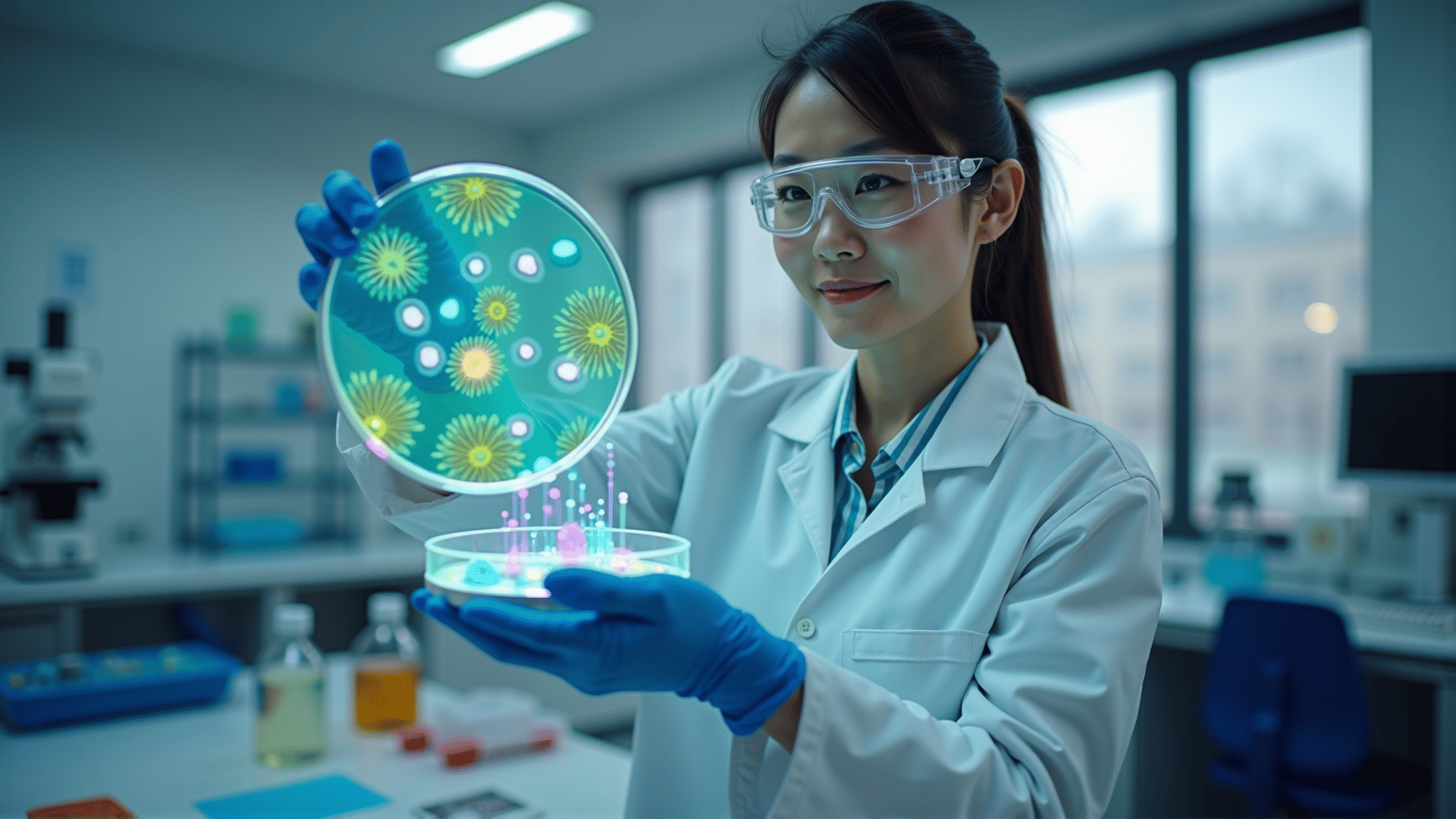
Synthetic biology, a fascinating intersection of biology and engineering, is revolutionizing our understanding and application of life sciences by allowing scientists to design and build new biological entities from scratch. This emerging field harnesses the power of genetic engineering and computer science, paving the way for groundbreaking advancements across various domains, including medicine, agriculture, and environmental conservation.
At its core, synthetic biology involves the design and construction of new biological parts, devices, and systems. It goes beyond traditional genetic engineering by employing a more holistic approach, where entire biological pathways can be redesigned and new functionalities introduced. With the capacity to program cells like computers, researchers can develop biological systems that exhibit unprecedented levels of precision and efficiency.
One of the most promising applications of synthetic biology is in the realm of medicine. By engineering microbial cells to produce pharmaceutical compounds, researchers can create new therapies for diseases that were previously difficult to treat. Synthetic biology is driving the development of personalized medicine, where diagnostic tools and treatments can be tailored to the genetic makeup of individual patients. Innovative solutions such as "smart" probiotics, which can detect and respond to disease markers within the body, highlight the potential of this field to transform healthcare.
In agriculture, synthetic biology offers the potential to create crops with enhanced resistance to pests and environmental stresses, reducing the need for chemical pesticides and fertilizers. By manipulating the genetic makeup of plants, scientists are working on developing crops with improved nutritional content and yield. These advancements not only promise to enhance food security but also mitigate the environmental impact of traditional farming practices.
The environmental implications of synthetic biology are equally promising. By engineering organisms capable of breaking down pollutants or capturing carbon dioxide, synthetic biology provides innovative tools for addressing environmental challenges. The potential to design microorganisms that can bioremediate contaminated sites or absorb atmospheric carbon offers hope for mitigating climate change and environmental degradation.
Critics, however, raise valid concerns about the ethical and safety implications of synthetic biology. The potential for unintended consequences, such as ecological disruption or the creation of harmful biological agents, underscores the need for rigorous safety measures and regulatory frameworks. As the field advances, it is imperative to balance innovation with responsibility, ensuring that synthetic biology serves to benefit humanity and the planet.
Collaboration between scientists, ethicists, policymakers, and the public is essential to navigating the challenges and opportunities presented by synthetic biology. Developing comprehensive ethical guidelines and regulatory frameworks will play a critical role in ensuring that advancements in this field are guided by principles of safety, equity, and sustainability.
In conclusion, synthetic biology stands at the forefront of a new era in life sciences, offering transformative solutions to some of the most pressing challenges of our time. From advancing medical treatments to revolutionizing agriculture and addressing environmental issues, the potential of designing and constructing new biological entities holds promise for a brighter, more sustainable future. As we continue to explore the possibilities, it is crucial to cultivate an inclusive dialogue that considers both the technical achievements and the broader societal implications of this remarkable field.