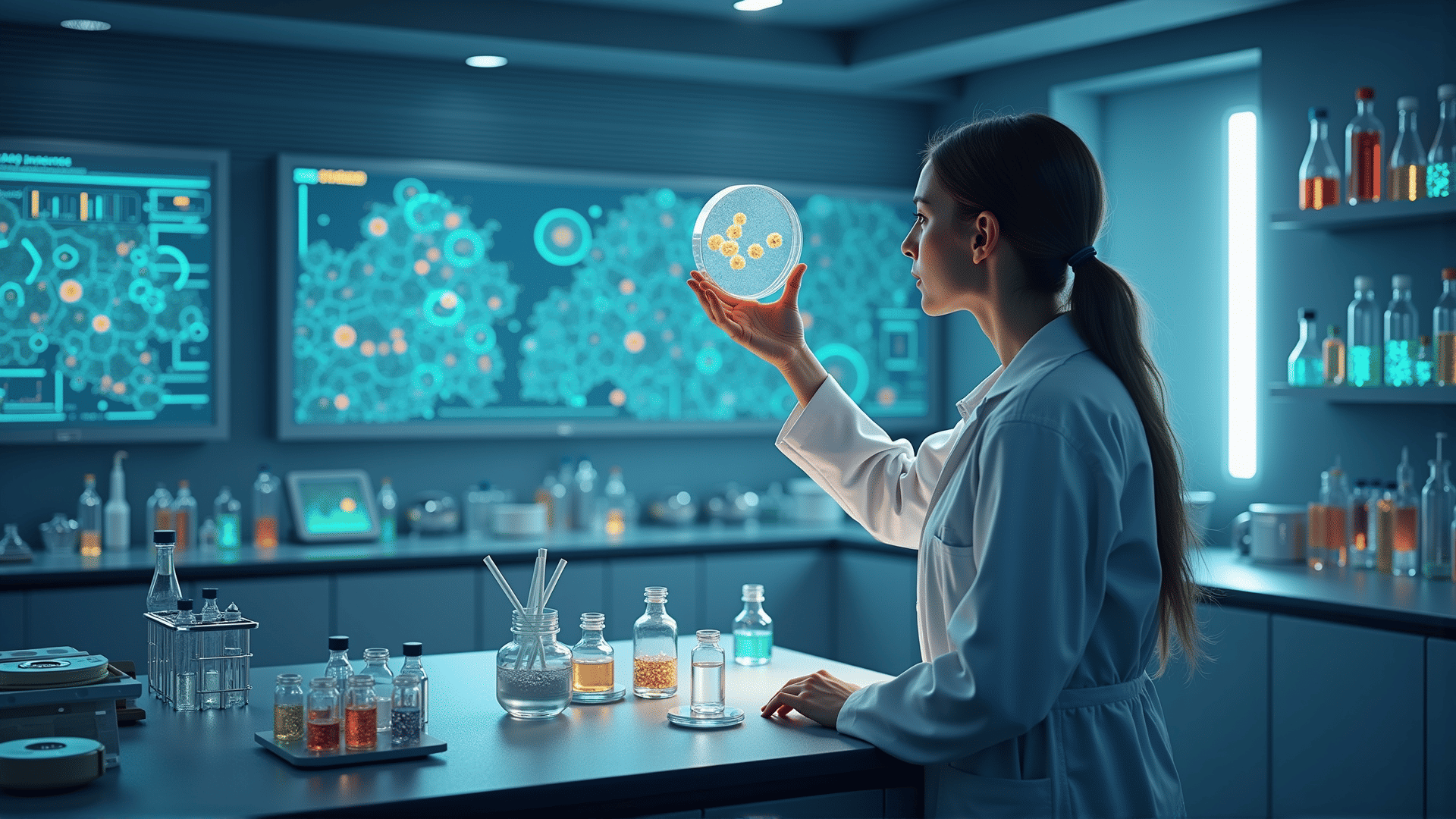
Synthetic biology, a groundbreaking field at the intersection of biology and engineering, is revolutionizing the way we approach challenges in health and sustainability. By engineering new biomolecules, scientists and researchers are tackling issues with precision and creativity that were once beyond our reach. This innovative discipline holds the promise of not only improving human health but also creating more sustainable solutions for our planet.
At its core, synthetic biology involves the design and construction of new biological parts, devices, and systems, as well as the re-designing of existing natural biological systems for useful purposes. This means that, rather than simply understanding biological systems, synthetic biologists actively create and modify them to perform new functions. This approach enables the development of more efficient and targeted biomolecules which can play a crucial role in various sectors.
In healthcare, synthetic biology is making significant strides. One of the most promising applications is in the development of novel therapies for diseases that have long eluded effective treatment. By engineering new biomolecules, researchers are crafting advanced therapeutics, such as synthetic enzymes and proteins, which can precisely target pathogens or defective cells. This specificity reduces side effects and increases the efficacy of treatments, revolutionizing fields such as cancer therapy, regenerative medicine, and antibiotic development.
For instance, synthetic biology has enabled the creation of genetically engineered viruses that specifically target methicillin-resistant Staphylococcus aureus (MRSA) infections, a major hospital-acquired infection resistant to conventional antibiotics. Similarly, CAR-T cell therapy, which involves reprogramming a patient's own immune cells to better target and kill cancer cells, owes much of its innovation to synthetic biology principles.
Beyond medicine, synthetic biology is addressing critical environmental challenges. As the world grapples with climate change and the need for sustainable resources, engineered biomolecules present potential solutions. For example, scientists are developing microorganisms capable of breaking down plastics and other pollutants, offering new ways to tackle the growing waste problem. Additionally, synthetic biology is being used to create biofuels from non-traditional resources, such as algae, which could reduce our reliance on fossil fuels and decrease greenhouse gas emissions.
Agriculture is another sector benefiting from synthetic biology, where genetically engineered crops offer the possibility of increased yields, resistance to pests, and reduced dependency on chemical fertilizers and pesticides. By tailoring the biology of plants and microorganisms, synthetic biologists can help secure a more reliable and sustainable food supply for a growing global population.
Moreover, the field is harnessing the potential of microbial factories—engineered microorganisms that can produce valuable substances such as pharmaceuticals, vitamins, and bioplastics. These innovations are contributing to more sustainable manufacturing processes by reducing reliance on traditional, often resource-intensive, chemical synthesis methods.
While synthetic biology offers exceptional promise, it is not without its challenges and ethical considerations. The potential release of genetically engineered organisms into the environment, biosecurity risks, and the ethical implications of modifying living organisms are pertinent issues that need addressing. Ensuring that synthetic biology advances are used safely and responsibly is paramount, and requires robust regulatory frameworks and public dialogue.
In conclusion, synthetic biology stands as a transformative force in addressing health and sustainability challenges. By engineering new biomolecules, we not only push the boundaries of what is scientifically possible but also open doors to innovative solutions that can profoundly benefit society. As the field advances, continued collaboration between scientists, policymakers, and the public will be essential to harness its full potential responsibly and ethically.